
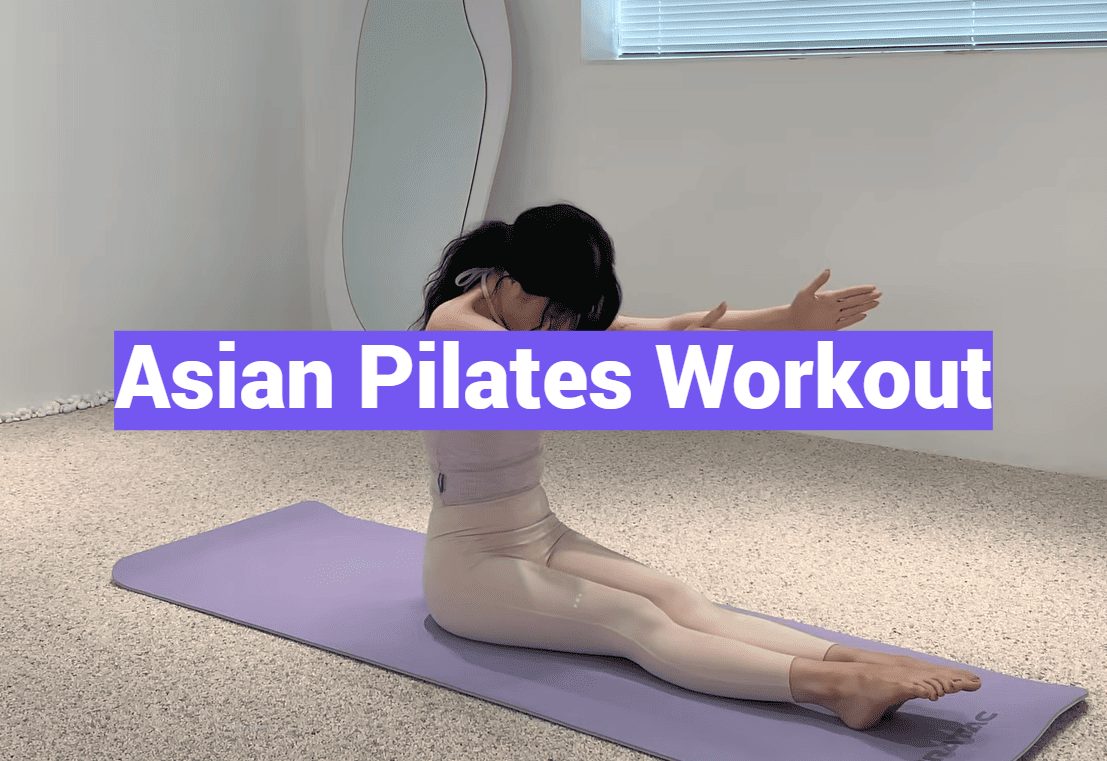
A recent MindBody study reveals that 67% of Americans are now actively seeking mindful fitness routines. This shift highlights a growing desire for movement that nourishes both body and mind.
Welcome to a transformative approach that masterfully blends Eastern and Western movement philosophies. This method builds strength, flexibility, and inner calm right from your living room.
It integrates the core-strengthening precision of one discipline with mindful breathing and energy flow principles from traditions like Tai Chi. This creates a practical, home-friendly practice popularized in communities from Thailand to Japan.
This guide is perfect for complete beginners or those looking to deepen their existing practice. We will walk you through starting and maintaining an effective routine.
This low-impact form of training is especially beneficial, offering joint-friendly movements that support hormonal balance and reduce stress. It helps create sustainable strength without strain.
You don’t need expensive gym memberships or complicated equipment. Just a mat, some open space, and 15-30 minutes are enough to experience the profound mind-body benefits.
Our friendly approach will help you feel confident and empowered. Embark on this journey toward improved posture, core strength, and overall well-being through this beautiful fusion of mindful movement.
Key Takeaways
- This fitness method combines core-strengthening precision with mindful Eastern movement principles.
- It is a low-impact, accessible training suitable for all levels, especially beginners.
- The practice supports holistic well-being, including stress reduction and hormonal balance.
- No special equipment is needed; you can start at home with minimal space and time.
- It focuses on building sustainable strength and improving posture in a joint-friendly way.
- The approach is designed to be easily integrated into a daily routine for lasting benefits.
Introduction to Asian Pilates Workout
Imagine a fitness method where every motion is linked to your breath. This fusion represents an exciting evolution of traditional training. It brings together the structured core work of one discipline with the flowing, mindful energy principles found in Eastern practices.
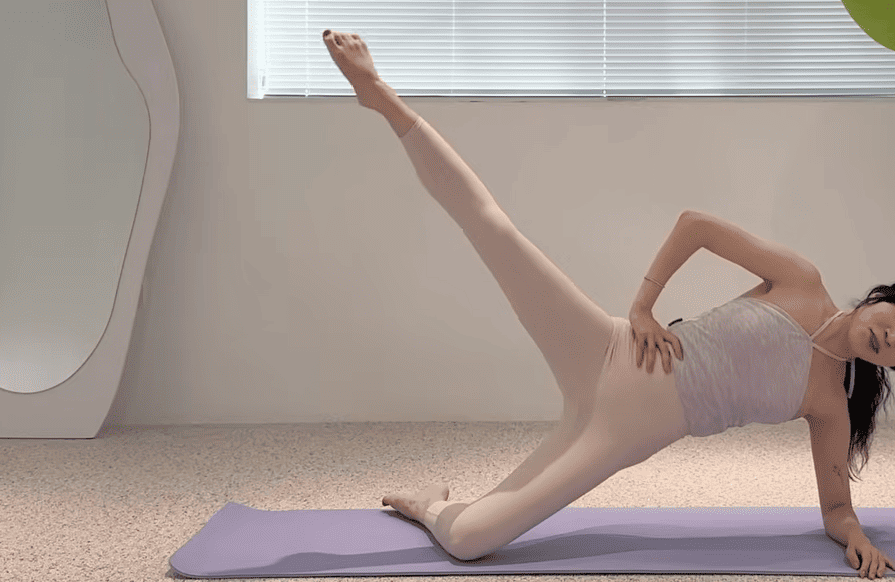
This approach to body conditioning goes beyond physical strength and flexibility. It cultivates inner balance and breath awareness. The goal is a smooth flow of energy throughout your entire system.
Unlike high-intensity routines that can leave you exhausted, this practice focuses on intelligent, controlled movement. It builds sustainable strength while simultaneously calming your nervous system. This leads to a notable reduction in daily stress.
You will learn breath-timed transitions, synchronizing each movement with your inhale or exhale. This creates a meditative quality that keeps you present. You feel deeply connected to your body throughout the session.
The practice also incorporates fascial release and spinal articulation. This means moving each vertebra individually and releasing tension in the connective tissue. The result is improved flexibility and reduced stiffness.
This fusion is wonderfully accessible. It draws from a practical, no-equipment philosophy, making it perfect for home practice. You won’t need reformer machines or expensive memberships.
The rhythmic sequencing and focus on core engagement support better balance and posture. This heightened body awareness helps you move through daily life with greater ease and confidence.
The Benefits of an Asian Pilates Workout
When you commit to regular mindful movement, the rewards extend far beyond physical appearance. This integrated approach delivers comprehensive health benefits that support your entire well-being system.
One remarkable advantage is enhanced core strength. The method targets deep stabilizing muscles that act like a natural corset. This creates a strong, stable foundation for your entire body.
If you experience discomfort, you’ll appreciate the back pain relief. Strengthening supportive muscles teaches safer movement patterns. This reduces strain on your lower back during daily activities.
Your posture transforms noticeably with consistent practice. The emphasis on spinal alignment counteracts slouching from prolonged sitting. You’ll stand taller and move with greater confidence.
The flowing movements significantly improve your flexibility. Full-range motions maintain joint suppleness that naturally declines with age. This keeps your body feeling youthful and agile.
Research shows mindfulness components can lower cortisol levels by approximately 20%. This substantial stress reduction helps you feel calmer and sleep better. The practice activates your parasympathetic nervous system for natural relaxation.
For weight management concerns, this approach supports healthy metabolism. When combined with proper nutrition, it contributes to sustainable results. The low-impact nature prevents joint pain while building functional strength.
Beyond physical gains, you’ll experience better balance and body awareness. The mind-body integration creates a profound sense of overall well-being that lasts long after each session.
Preparing Your Mind and Body for the Workout
Before you begin moving, taking a few moments to prepare your space and mindset can dramatically enhance your experience. This thoughtful approach helps you transition from daily stress into a focused, present state.
Essential Equipment and Space Setup
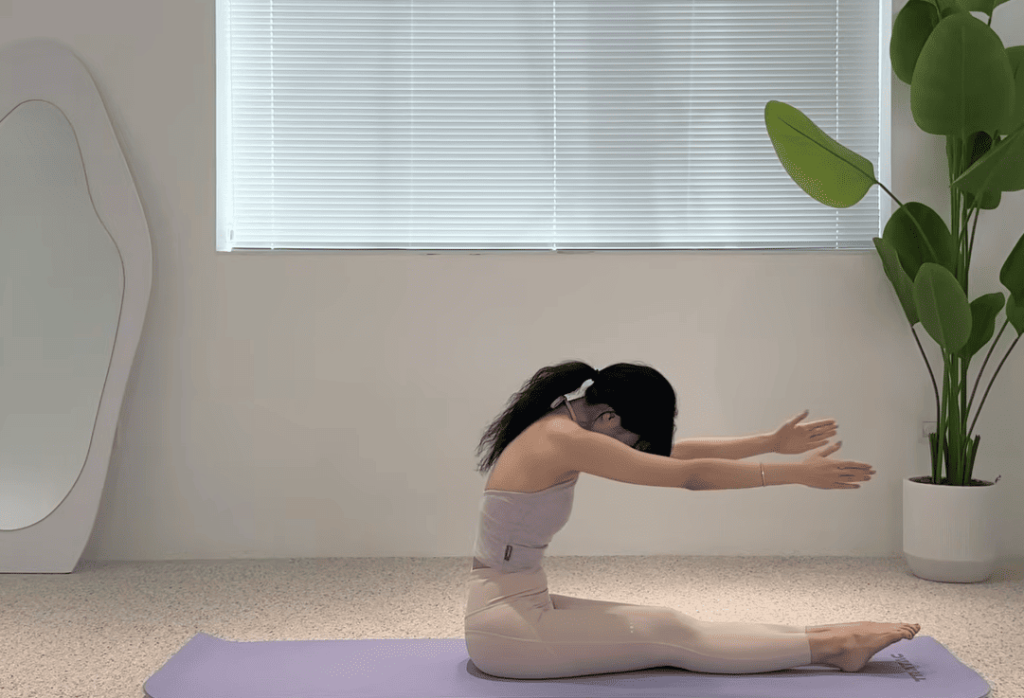
Getting started requires minimal equipment—just a comfortable mat and some open floor space. A standard yoga mat provides the cushioning and grip you need for safe movement.
Choose a quiet area in your home where you can extend fully without obstacles. This creates a peaceful sanctuary for your practice. Optional props like resistance bands can enhance certain exercise sequences as you progress.
Effective Warm-Up Techniques
Dedicate just five minutes to warming up your body and calming your mind. Begin with shoulder rolls: inhale as you shrug shoulders up, then exhale as you roll them back down.
Repeat this ten times, focusing on your breath. Every third repetition, practice deeper breathing—inhale for four seconds, hold for two, exhale for six. This activates your relaxation response.
Add gentle neck rolls and hip circles to ensure all joints are ready. This short investment of time prevents injury and helps you get more from each session.
Step-by-Step Guide to Your Asian Pilates Workout Routine
Ready to experience the full flow of this integrated practice? This 30-minute sequence builds strength while keeping you mindful and present.
Establishing a Mindful Warm-Up
Begin with five minutes of gentle preparation. Start with shoulder rolls and deep breathing to transition from daily stress.
Add spinal twists and cat-cow movements on your mat. These gentle exercises awaken your spine and prepare your core muscles.
Core-Focused Routine and Movement Sequences
The main 20-minute session targets different muscle groups. Complete two rounds of these foundational movements.
| Exercise | Reps | Primary Focus | Key Benefit |
|---|---|---|---|
| Hundred Prep | 10-12 | Core Stability | Builds endurance |
| Single Leg Stretch | 10-12 | Coordination | Leg strength |
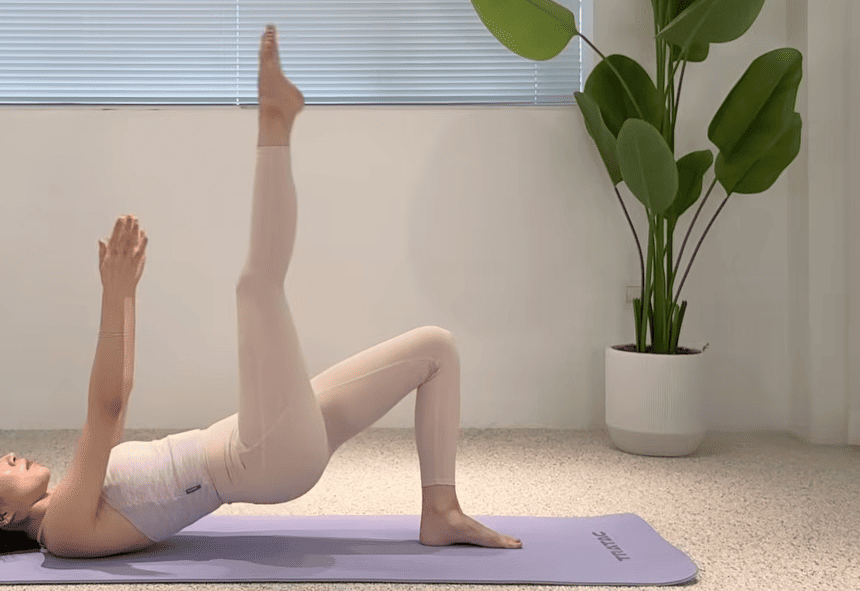
| Glute Bridge | 10-12 | Spinal Support | Back stability |
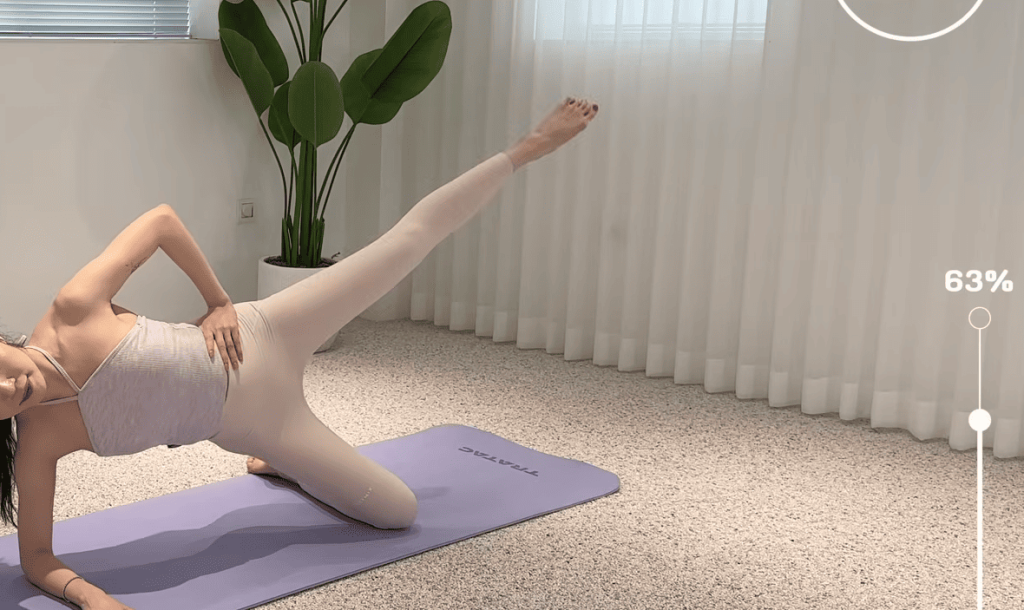
| Side Leg Lift | 10-12 | Hip Stabilizers | Balance improvement |
Rest 30 seconds between each exercise. Focus on controlled movement and proper breathing throughout.
End-of-Session Cool-Down and Recovery
Finish with five minutes of gentle recovery. Lie flat on the floor with hands on your belly.
Practice deep breathing: inhale for four seconds, hold for two, exhale for six. Complete five full cycles.
End with peaceful visualization to integrate your practice. This cool-down supports muscle recovery and mental calm.
Customizing Your Asian Pilates Workout Routine
Your personal journey with this mindful movement practice should reflect your unique needs and lifestyle. The most empowering aspect is creating a routine that fits your body, schedule, and goals perfectly.
Many people find success with structured programs like Reverse Health’s 28-day plan. This program includes a personalized quiz that creates a tailored training schedule based on your experience level and objectives.
The beauty of this approach lies in its flexibility. Session lengths vary from 5-10 minute quick flows to 25-minute full-body sequences. You can stack, alternate, or repeat sessions based on your daily energy and time availability.
| Weekly Goal | Session Frequency | Focus Area | Expected Results |
|---|---|---|---|
| Week 1: Foundation | 3 sessions | Mastering form | Improved body awareness |
| Weeks 2-3: Building | 4-5 sessions | Adding intensity | Increased strength |
| Week 4: Integration | Daily practice | Full mastery | Sustainable routine |
For women over 40, customization might include exercises supporting hormonal balance and joint health. The program offers bonus content addressing specific concerns like stress reduction and better sleep.
Track your progress by noting how you feel after each exercise session. Celebrate milestones like completing your first full week or noticing improved flexibility. Listen to your body daily—choose restorative practice when tired and challenge yourself when energized.
This personalized approach ensures your fitness journey remains enjoyable and effective. You’ll see meaningful results that align with your individual health goals.
Safety Considerations and Modifications for Joint Health
Creating a safe practice environment is essential for long-term success. This mindful movement approach is naturally gentle on joints, making it ideal for those with arthritis or previous injuries.
The key is listening to your body and making smart adjustments. Proper form always comes before intensity or repetition count.
Adjusting for Lower Back Pain and Posture
If you experience lower back pain, consult a healthcare provider before starting. Certain movements involving spinal flexion require careful modification.
For exercises like the Glute Bridge, move slowly with a smaller range of motion. Stop immediately if you feel sharp pain rather than muscle engagement.
Building core stability supports your spine over time. Focus on controlled movements that protect your back while improving posture.
Guidance for Beginners and Transitioning Movements
New practitioners should prioritize smooth transitions between exercise sequences. Never rush to keep up with an external pace.
Protect your knees by using adequate mat cushioning and avoiding locked joints. For kneeling positions, place a folded towel underneath for comfort.
Wall-supported variations enhance stability and mobility during balance challenges. Remember: five precise repetitions beat fifteen with poor form every time.
Integrating Mindfulness and Recovery into Your Practice
Beyond the physical benefits, integrating mindfulness techniques elevates your practice to a holistic wellness ritual. This approach transforms routine movement into a deeply restorative experience for both body and mind.
Breathwork and Meditation Techniques
Mastering your breath is fundamental to achieving true mind-body connection. Practice the foundational pattern: inhale for four seconds, hold for two, then exhale slowly for six seconds.
This extended exhale activates your parasympathetic nervous system, reducing stress naturally. Synchronize each movement with your breathing to create flowing transitions that enhance stability.
Strategies for Consistent Progress and Stress Reduction
Consistency yields the best results for both physical and mental health. Aim for 3-4 sessions weekly, understanding that regular practice matters more than intensity.
Within 2-3 weeks, many practitioners notice improved sleep quality and better stress management. Track your emotional well-being alongside physical changes like increased flexibility.
Build recovery into your training plan with adequate rest. This allows your muscle groups to strengthen while supporting overall health goals.
Conclusion
Your exploration of this fusion practice marks the beginning of a sustainable wellness path. You now have everything needed to build strength, improve flexibility, and enhance overall well-being through consistent movement.
This approach grows with you over the years, offering benefits that accumulate with each session. For women navigating life changes, it provides gentle support for core stability and joint health.
Remember that regular practice matters more than perfection. Even brief sessions create meaningful progress when done consistently. The program helps develop better balance and mobility throughout your entire body.
Take that first step today toward a healthier, more balanced you. Each session brings you closer to your fitness goals while supporting long-term wellness.