
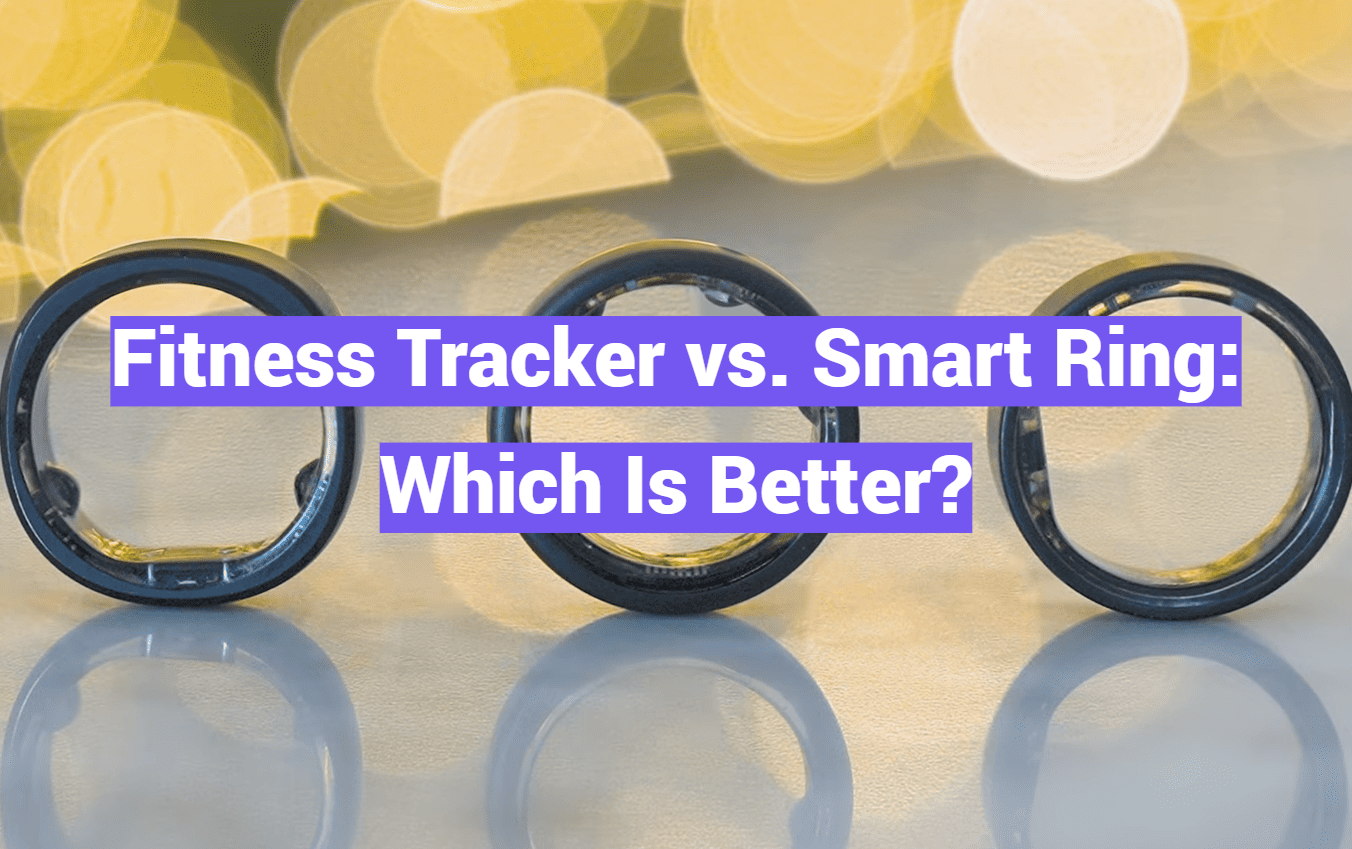
Over one in five American adults now regularly uses a wearable device. This tech has evolved far beyond simple step counting.
Today’s gadgets track sleep, stress, and overall wellness. This guide helps you choose between two popular styles.
We will compare minimalist designs with full-featured options. We look at design, battery life, and accuracy.
The market is booming. Brands like Apple dominate one space, while newcomers like Samsung bring fresh ideas.
Your choice depends on your lifestyle. Do you prefer a discreet device or an interactive screen on your wrist?
We provide clear data and expert insights. This will help you pick the perfect tool for your health and fitness goals.
Key Takeaways
- Wearable technology now tracks a wide range of health metrics.
- The choice often comes down to personal preference for design and features.
- Battery life and data accuracy are critical factors to consider.
- Different devices cater to unique lifestyles and tracking needs.
- Popular models from leading brands offer distinct advantages.
- The best wearable is the one that fits seamlessly into your daily routine.
Introduction
Today’s health monitoring gadgets fall into two main camps based on their design philosophy and functionality. One category offers comprehensive features with interactive screens, while the other prioritizes discreet, continuous tracking.
Smart rings represent the minimalist approach to wearable technology. These sleek devices fit comfortably on your finger, weighing less than 5 grams. They contain advanced sensors that monitor sleep patterns, activity levels, and heart rate throughout the day and night.
In contrast, a smartwatch functions as a wrist-worn computer with extensive capabilities. Modern smartwatches integrate health monitoring with communication features, GPS navigation, and app connectivity. They provide real-time feedback through their displays.
The fundamental difference lies in user experience. Smart rings excel at passive data collection without interrupting your daily routine. They sync with smartphone apps to deliver insights later. Smartwatches offer immediate interaction and comprehensive fitness tracking tools.
Your choice depends on whether you prefer an all-in-one device or specialized health monitoring. Some users want constant connectivity and rich features. Others value simplicity and unobtrusive design that blends with regular accessories.
Design and Comfort
Design aesthetics and wearability determine whether a fitness device becomes a seamless part of your lifestyle. The physical experience directly impacts daily usage consistency.
Elegant Wearable Designs
Modern health trackers blend technology with fashion. Some models resemble traditional jewelry rather than electronic gadgets.
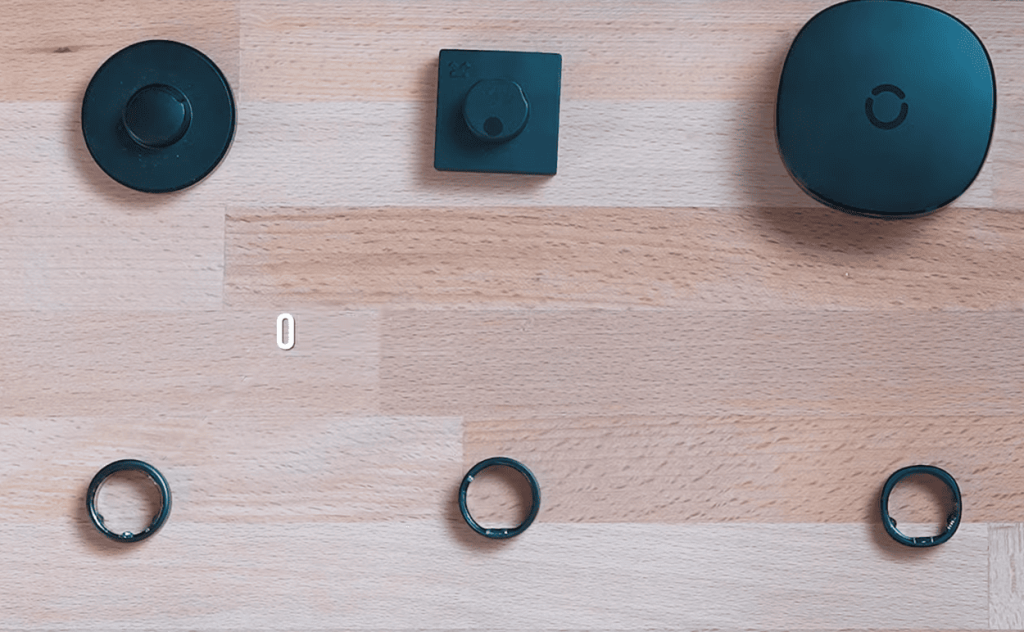
The Samsung Galaxy Ring weighs just 2.3 to 3 grams. This is dramatically lighter than wrist-worn alternatives. Apple’s popular wrist device weighs over 31 grams at minimum.
These lightweight options feature innovative charging solutions. The Galaxy Ring comes with a transparent case that glows during charging. This portable design resembles wireless earbud cases.
Comfort and Fit Comparison
Comfort varies significantly between finger-worn and wrist-worn options. Lightweight designs feel almost unnoticeable during wear.
This minimal presence proves especially valuable during sleep. Many users find bulkier wrist devices uncomfortable for nighttime tracking. The consistent finger contact provides reliable data without disruption.
During physical activities, finger-worn options maintain secure positioning. Wrist devices may require adjustment during workouts or rest periods.
| Feature | Finger-Worn Device | Wrist-Worn Device |
|---|---|---|
| Average Weight | 2.3-3 grams | 31.9+ grams |
| Sleep Comfort | Excellent | Moderate |
| Professional Appearance | Blends with jewelry | Visible technology |
| Activity Stability | Minimal movement | May require adjustment |
| Charging Portability | Compact case included | Typically cord-based |
The discreet nature of finger-worn options suits formal occasions. They complement professional attire without drawing attention. Wrist devices offer immediate screen access but appear more technological.
Features and Functionalities
Functionality differences between wearable styles create entirely different user experiences and daily interactions. The available features determine how you engage with health tracking throughout your day.
Health Tracking and Notifications
Wrist-worn devices offer comprehensive interaction through their display screens. You can view notifications, answer calls, and access GPS tracking directly from the device.
These gadgets provide immediate feedback during fitness activities. Advanced sensors collect detailed health data while you interact with the interface.
Finger-worn options take a more passive approach to health monitoring. They focus on continuous data collection without screens or buttons.
Advanced Connectivity and App Integrations
Smartwatches connect through Bluetooth, e-SIM, or Wi-Fi for standalone functionality. This enables extensive app customization and personalized experiences.
The companion app ecosystems offer everything from fitness coaching to productivity tools. These apps significantly expand utility beyond basic health tracking.
Finger devices sync data with smartphone apps throughout the day. They excel at background monitoring through sophisticated sensors.
Performance Metrics and Accuracy
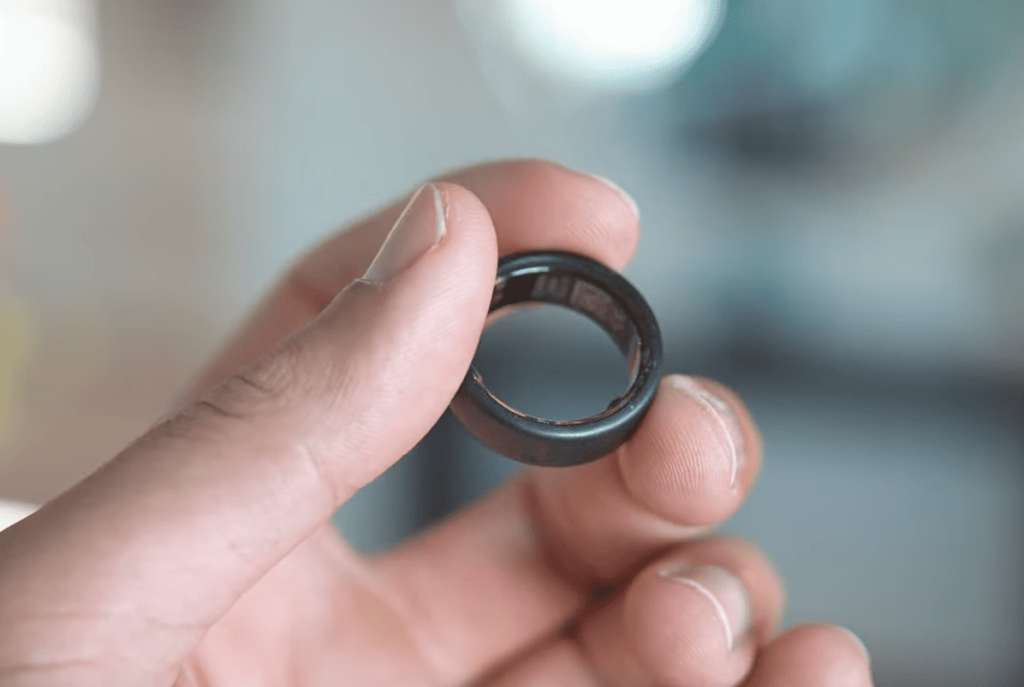
The true test of any fitness gadget lies in how precisely it captures your body’s vital signs and activities. Accurate data transforms these devices from simple counters into valuable health tools.
Heart Rate and Activity Accuracy
Both device types use PPG (photoplethysmography) sensor technology. This method measures blood flow changes using LED light.
During intense workouts, finger-worn devices sometimes struggle with heart rate accuracy. The Galaxy device showed differences of 20-30 beats compared to chest strap monitors.
For step counting, wrist-worn options generally provide more reliable metrics. They better distinguish actual steps from hand movements.
Sleep Tracking Precision
Finger-worn devices excel at sleep monitoring due to their stable position. They maintain consistent skin contact throughout the night.
This consistency improves sleep tracking accuracy for resting heart rate measurements. The snug fit prevents movement disruptions.
However, blood oxygen readings can vary significantly. Some finger devices showed unusually low levels compared to more consistent wrist-based measurements.
Battery Life and Usability
How often you need to charge your device plays a huge role in its daily usefulness. This aspect separates gadgets you constantly worry about from those that work quietly in the background.
Power That Lasts for Days
The difference in battery life is striking. A device like the Galaxy Ring can run for nearly a week on a single charge. This extended time between charges eliminates daily power anxiety.
In contrast, popular wrist-worn computers typically last one to two days. Features like bright screens and GPS tracking drain power quickly during activities.
Some advanced models, like the Garmin Venu 3, offer multi-day performance. However, the minimalist approach of finger-worn tech consistently delivers superior battery endurance.
Seamless Daily Integration
The long battery life means you can wear your device 24/7. You get uninterrupted sleep tracking without gaps from nightly charging.
Charging is also more convenient. The Galaxy Ring comes with a portable case, similar to wireless earbuds. You can power up on the go without hunting for an outlet.
Without a screen to light up or notifications to deliver, these devices are far less distracting. They focus on passive health monitoring, supporting a more mindful daily life.
Smart Ring vs Watch: Comprehensive Comparison
The ideal wearable technology for you isn’t about which is better overall, but which is better for your specific lifestyle. This final comparison puts their core differences side-by-side.
Pros and Cons Breakdown
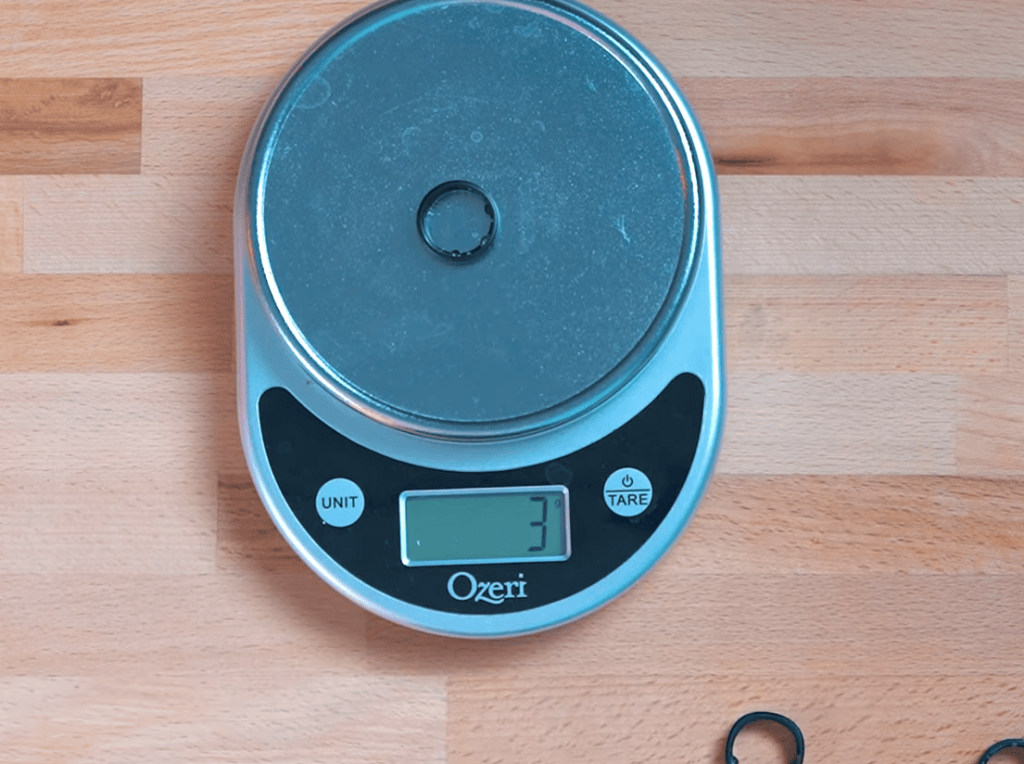
Finger-worn gadgets offer significant benefits. They are extremely lightweight, often under 5 grams. This provides excellent comfort for all-day and sleep tracking.
Battery life is a major advantage, lasting up to six days. However, the lack of a screen means no real-time data viewing. Notifications are also very limited.
Wrist-worn computers like the Apple Watch boast extensive features. These include GPS tracking, music control, and a large, interactive display.
They act as a personal assistant. The main drawbacks are weight and daily charging needs. Their size can disrupt sleep for some users.
| Feature | Finger-Worn Device (e.g., Oura Ring) | Wrist-Worn Device (e.g., Apple Watch) |
|---|---|---|
| Average Weight | Under 5 grams | Over 30 grams |
| Battery Life | Up to 6 days | 1-2 days |
| Best For | Sleep & Wellness | Active Workouts & Connectivity |
| Ideal User | Minimalist seeking discretion | Active user wanting an all-in-one tool |
Ideal User Scenarios
Your final choice should align with your primary goals. Choose a minimalist device if you value sleep and basic fitness metrics above all.
This option is perfect for those who prefer a discreet tracker. It blends with regular jewelry seamlessly.
Select a feature-rich wrist computer if you love detailed stats. This is the best choice for serious athletes who need GPS.
Popular models like the Apple Watch integrate deeply with iPhones. The Oura Ring often pairs well with Android devices.
Conclusion
The decision between minimalist and feature-rich wearables reflects your approach to wellness tracking. Your final choice depends on whether you prefer specialized monitoring or comprehensive fitness tools.
Smart rings excel as discreet sleep and activity trackers. They offer extended battery life without screen distractions. These rings provide excellent comfort for all-day wear.
A smartwatch serves better for detailed workout tracking and real-time health metrics. The interactive display on your wrist delivers immediate feedback during activities.
Both categories are evolving with AI integration for personalized health insights. The right device aligns with your fitness priorities and comfort preferences.